

17 NOVEMBER 2026
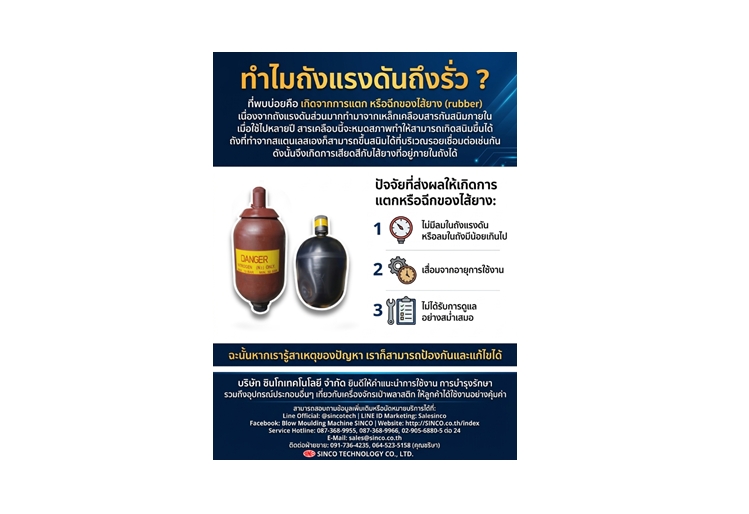
A bladder (or black rubber bladder) in a hydraulic accumulator is broken or leaking. Common causes stem from the following primary factors:
Corrosion: The material used for the pressure vessel may corrode due to chemicals, impurities, or temperature fluctuations, resulting in cracks or porosity.
Physical Damage: Impacts, drops, or excessive compressive force can cause dents, cracks, or tears in the pressure vessel.
Wear and Tear due to Aging: Internal rubber seals or gaskets may deteriorate and lose their elasticity, leading to leakage.
Manufacturing Defects: Occasionally, a pressure vessel may have manufacturing flaws—such as micro-cracks or substandard material strength—that cause leaks right from the start.
Excessive Internal Pressure: Operating the pressure vessel beyond its specified limits can cause internal pressure to exceed safe thresholds, leading to a rupture.

